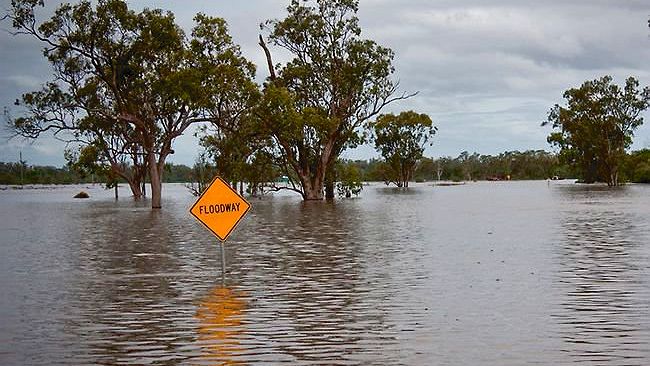
When intent becomes permanent, we speak of Will. (Neijing)
As we traverse the last weeks of winter, let’s examine again the spirit of Water, Zhi, which is often translated as Will.
 Several years ago I became quite ill and began working with a naturopath. She prescribed an apothecary of supplements for physical purification and strongly recommended a Vipassana retreat for spiritual purification.
For those who don’t know about Vipassana retreats, they are the black belt, hard-core, take-no-prisoners style of meditation retreats. For 10 days you don’t speak, don’t look anyone in the eye, eat only two meals a day, get up at 4 am and go to bed after 9, meditate for 10 hours a day, often without moving a muscle for an hour at a time. What is more, I did my retreat at the winter solstice in Melbourne where the temperature fell below freezing at night.
I thought at the time that this was the hardest thing I’d ever done. It required tremendous willpower and effort to stay the course and not leave after even the first day. Every day, every hour, required me to continually rededicate myself to the practice.
When I was released from prison on the tenth day, I felt a tremendous sense of freedom and great satisfaction at having stayed the course. Unexpectedly, I found that I had much more will. I found I could sit at my desk and write for hours without the usual restlessness. I was able to complete tasks that I would normally put off or do in stages. Somatically, I felt a weighty presence in my belly centre, a bowling ball of will that kept me centred and stable.
These qualities of determination, steadfastness, resilience and power were developed by the initial application of effort, but after a time, the effort was transformed into will. Willpower became true will. Like bending your back to crank the engine until it sparks into life and runs on its own.
These are all resonances of the Water Element, the gifts of Zhi. Here are some suggestions for cultivating Zhi:
- Do something you’ve never done before
- Do something for five minutes longer when you’d rather stop
- Do something very slowly
- Do something no one would expect you to do
- Postpone an action you want to do
- Do something now that you’d prefer to postpone
- Do a practice every day for a month
For some support in your cultivation of will, hold the acupoint Bladder 52- Zhishi– Residence of the Will which we’ve looked at previously. This point promotes endurance, helps to resolve fear (the emotion of Water), strengthens will, and restores essence (jing). For those who are driven, it softens hard willpower and supports true will.
Ultimately, true will is the will of true nature. As we align our personal will with the will of the universe, all efforting drops away and doing simply happens.
Location of Bladder 52
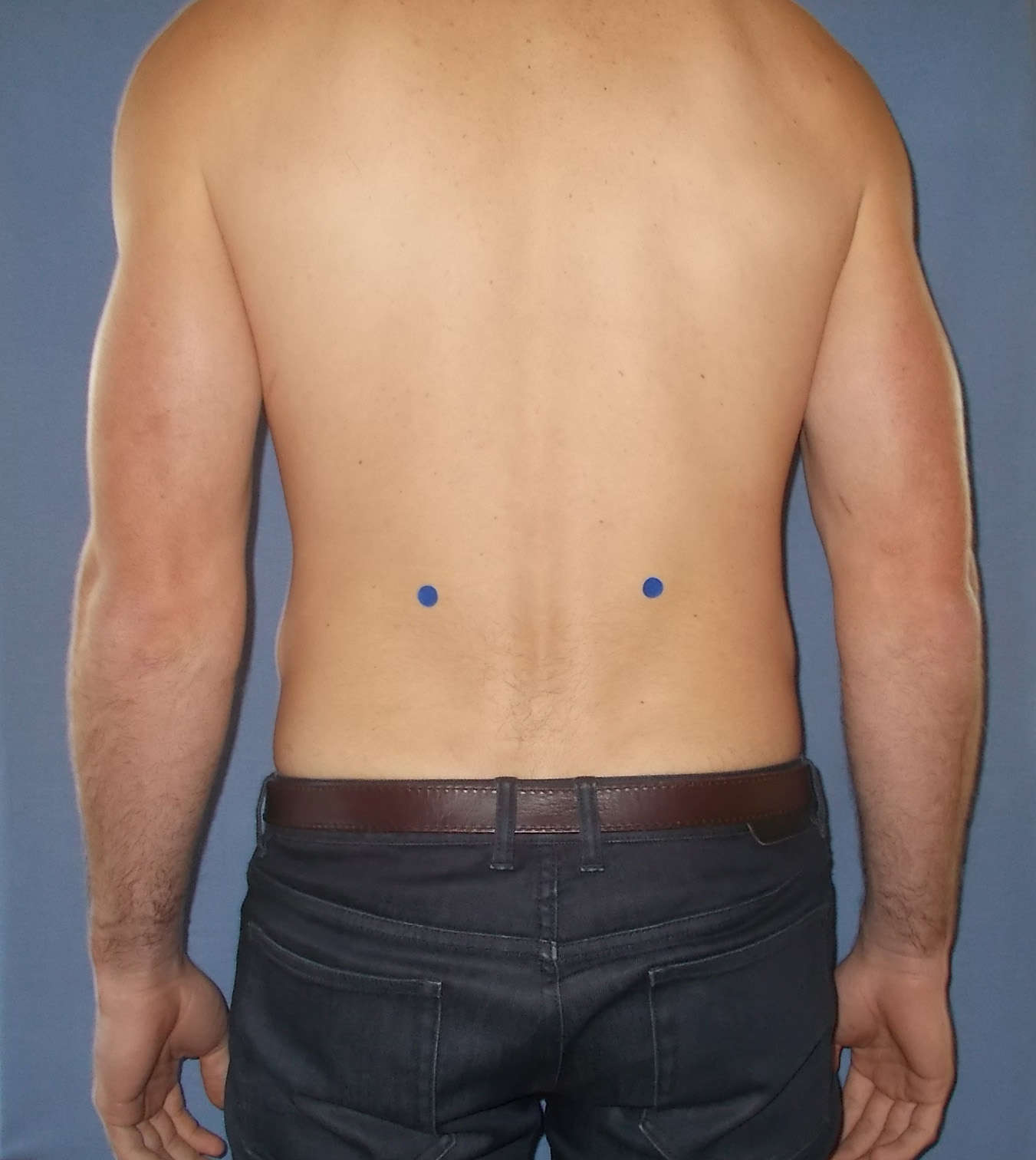
On the back at the level of the junction of the 2nd and 3rd lumbar vertebrae and 3 cun (four fingers width) lateral to the spine. It is approximately at the same level as the navel.