The winter solstice is a big deal. Many people are not even aware of this momentous annual event. Yet together the two solstices of midsummer and midwinter provide an existential manifestation of a fundamental principle of our world, namely the polarity of yin and yang. In the southern hemisphere today we are witness to the primacy of yin, while people in the northern hemisphere are experiencing the primacy of yang. I say primacy because, depending where you are located, yin or yang is at its deepest or highest, but nothing in existence is ever entirely one of the other. If we look at the taiji, the well-known yin/yang symbol, we see that there is always a dot of yin within the yang and there is always a dot of yang within the yin.

Indeed we naturally seek to find aspects of one to balance the other. Here in the Adelaide Hills it is currently very cold. Last week my village experienced 5 nights in a row at or below freezing. Instinctively we look to find warmth within the cold: heating up the bedroom, luxuriating in hot baths, making hot soups, enjoying hot chocolate on a rainy winter afternoon.
The midwinter solstice is not a day. Certainly it falls on a particular day, and that day will be the shortest of year and when the sun will be at its lowest elevation in the sky. But it is actually the precise moment when (in our case) the Earth’s southern pole has its maximum tilt away from the sun. This year that moment is 7.13 am on Sunday June 21st. That’s if you’re in Adelaide. Adjust your celebrations to your own time zone! It’ll be about the time I’ll be stumbling out of bed, fumbling for warm slippers and brewing hot tea ahead of a breakfast of steaming porridge. I’ll be doing everything I can to bring some yang to the most yin of days.
So far I’ve been talking about the cold/hot version of the yin/yang polarity. But there are other ways of viewing it. We could see it as the polarity of darkness and brightness, low and high, within and without, deep and superficial. In Chinese medicine another view is of the Kidney and Heart which are the organs of the Water-Fire axis. This is arguably the most significant organ relationship of all of the deep organs. It represents the relationship of Water and Fire across the Ke or control cycle. The Kidney must be strong and resilient or else the Fire will fail to be controlled, a situation that might produce feverish conditions, a chaotic mind or manic behaviour. Conversely if the Water is so strong that it overpowers the Fire, it might result in cold extremities, lack of joy or interest in life, the spark of the Heart dimmed.
There is a tendency in our modern, fast-paced, demanding world to deplete the Kidney energy by overtaxing ourselves. Doing too much in the winter is like pushing against the river. It takes more effort to achieve things when the ambient energy of nature is pulling us within. So doing less and resting more will recharge the batteries that are our Kidney Qi.
Here are a few suggestions as to how you might support your Kidney Qi in this deepest part of winter.
Warming Foods
Warm food and drinks are key. Nourishing soups, stews and broths are an excellent way to restore Kidney Qi. If you don’t eat meat, beans are a great food for winter. Even their shape is a clue: they look like kidneys. Kidney beans and black beans are especially recommended. As are pulses like lentils and buckwheat, nuts and yang grains such as millet. Salty foods like sea vegetables and tamari are helpful. Garlic, chilli and ginger are warming as is ginseng. Fried foods are more appropriate in winter as this makes the food more yang. This method of cooking transforms yin foods such as tofu and tempeh. And remember to keep hydrated. It is sometimes harder in winter to drink enough fluids as we may not get as thirsty. Herbal infusions such as peppermint or ginger tea are great.
Warm the kidneys
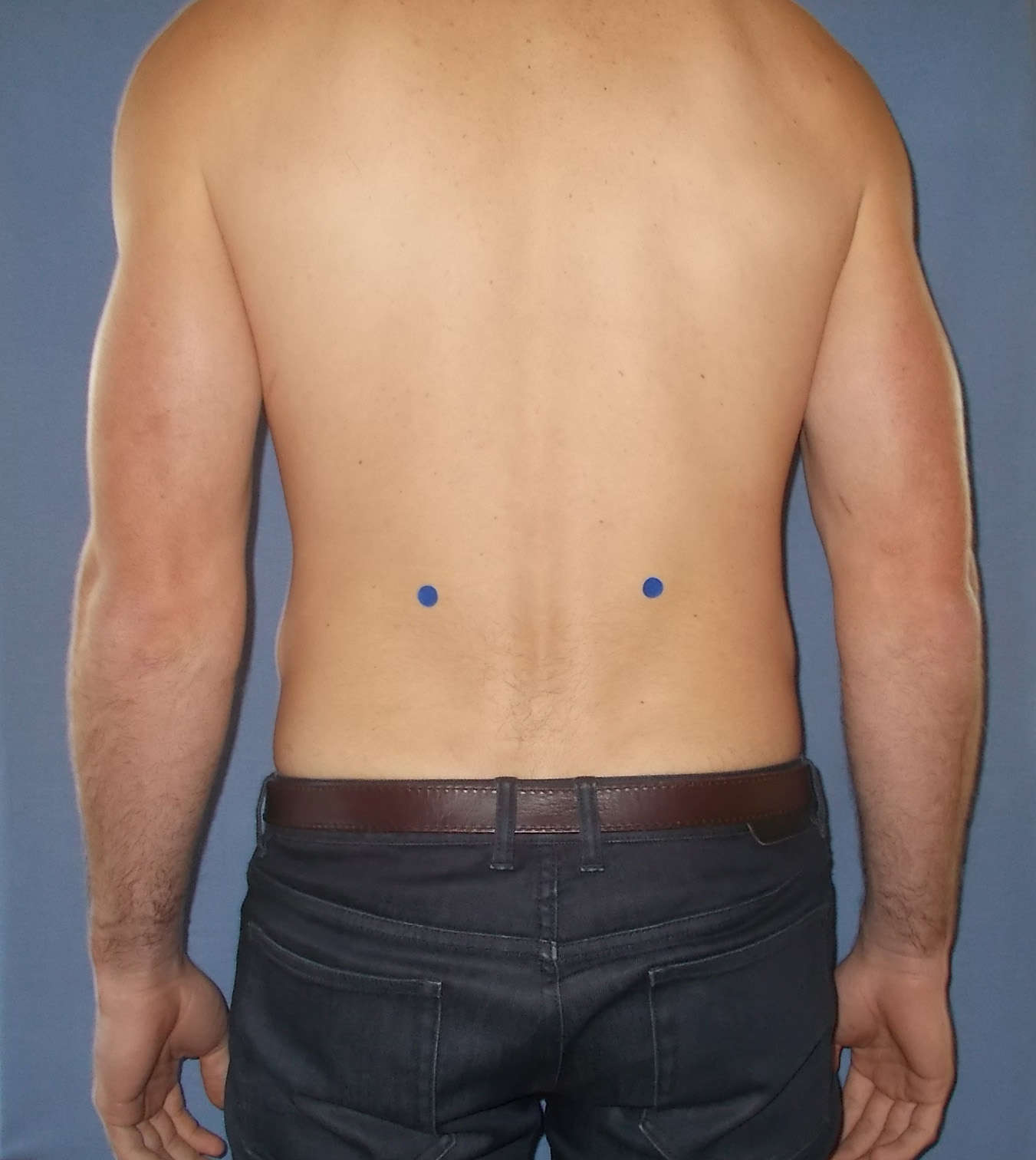
Tuck your shirt in. (Your mother was right after all.) Wear extra layers around the lower back. The Japanese have a wonderful garment called a haramaki (this is not sushi) which is like a turtleneck for the low back.
Massage your low back with your knuckles. Up and down the erector muscles, and side to side at the level of the waist. With this latter you will be stimulating Governor Vessel 4, Bladder 23 and Bladder 52. These techniques are deeply warming and restorative to the kidneys.
Massage Kidneys and Reach for the Feet. This is the 6th movement of the Eight Strands of Brocade Qi Gong series and can be practised on its own to strengthen Kidney Qi. Look online for some of the thousands of variations, but here is one that I like by Master Zhong. This movement starts at 7:30 minutes in.
If you’ve been struggling with the winter so far, be encouraged by the fact that from Sunday morning onwards, the days will be getting longer, the angle of the sun will be rising, and soon the temperatures will also be rising. In short, the yin half of the year is ending and the yang half of the year is beginning.
I’ll be writing again in 6 weeks when we arrive at the next cross quarter day which marks the beginning of spring. In the meantime, you could treat yourself to a hot chocolate and a ginger biscuit or two.