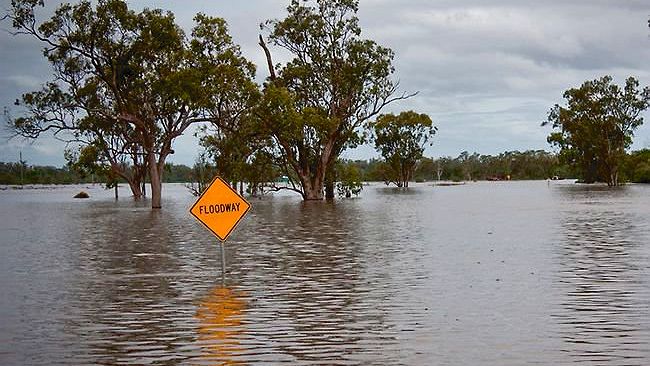
Wet, moist, dripping, sticky, sodden, muggy, close, clammy. These words convey the feeling in the human body of humidity or dampness. This is the climate that resonates with late summer and the Earth Element.
As with the other external climatic factors we’ve looked at so far (cold, wind and heat), dampness can become pathogenic when it invades the body.
Sticky humidity is usually linked in our minds with tropical climates where the humidity is accompanied by heat, creating that sagging, sinking heaviness that makes it hard to move. We perspire, but the sweat doesn’t evaporate in the air which is already full to dripping with moisture. We feel sticky all over; armpits and other creases feel like swamps.
But damp can also be present in cold climates where persistent precipitation drives up the moisture content of the air. I spent my early childhood in the north of England, in Manchester which lies at the foot of the Pennines and where the rain driving in from Ireland is trapped by the hills, and hangs over the city as low, grey cloud and an incessant drizzle. In such climates, clothing never feels dry, bedsheets are perennially damp. There is even damp in the walls of houses, known as “rising damp”.
Living in humid climates, both hot and cold, can lead to invasion of damp into the body. So too can sitting on damp ground or in wet clothes, living in a house that is close to a stream, or working in a damp environment.
As above, so below: people who have dampness within their body are more likely to complain about and be susceptible to dampness outside. This suggests a weakness in the Earth Element and its associated organ/channels of Stomach and Spleen.
As we’ve seen previously, climatic factors injure their corresponding yin organs. Cold injures the Kidney, wind injures the Liver and heat injures the Heart. Similarly, damp invades and injures the Spleen.
One of the many functions of the Spleen is the efficient transportation of fluids throughout the body. When Spleen is weak, fluids accumulate, often in the lower body, producing oedema and a feeling of heaviness and lethargy. Spleen, together with Stomach, is also responsible for transforming food into Qi and circulating that Qi to all the organs. When this transformation process is compromised, Qi is deficient and fatigue and lethargy result.
Certain foods are known to make this transformation process difficult. Sugary foods such as cakes, biscuits and ice cream slow down the Spleen. So too do dairy products and highly refined grains. Greasy, fried food is also hard for Spleen to metabolise. Another challenge to Spleen is cold food or drinks. And all alcohol. All of these foods are said to generate damp within the body.
So, damp shmamp, who cares? Well, consider this: internal damp can travel up the yin meridians of the leg to affect the organs of the abdomen. It can affect the reproductive organs, producing painful periods, vaginal discharges, genital swelling and itching; it can affect the intestines, causing bloating and loose stools; and when damp affects the bladder, it can create difficult, frequent or burning urination and cloudy urine. Other symptoms can include arthritis and swelling of the joints, poor appetite, fullness in the chest or epigastrium, feelings of tiredness and heaviness, fogginess in the head with difficulty thinking, and a sticky white or yellow coating on the tongue.
A full exploration of the many Damp conditions is beyond the scope of this article. But it must be noted that a diagnosis of damp is very common, especially in western countries or other places that have adopted the western diet. Damp can affect Stomach, Spleen, Large Intestine, Small Intestine, Bladder, Kidneys, Gall Bladder, Liver, uterus and the skin. Conditions can derive from external damp invading the body, or internal damp caused by a deficiency in the Spleen.
Points to clear damp
Points to clear damp are many and varied, depending on the organ/channel that is affected. As we are focusing here on external damp invading the Spleen, I’ll focus on these Earth points.
Spleen 3, source point of Spleen, directly balances the organ and influences its functions. Located at the ball of the big toe.
Spleen 6, Three Yin Crossing, treats damp in the Spleen, Liver and Kidneys. (Forbidden during pregnancy.) Located 3 cun (4 fingers width) above the tip of the inner ankle bone and close to the back of the tibia.
Spleen 9, Water point of the Spleen is perhaps the most well-known point for clearing damp. Located in a depression below the inside of the knee at the medial condyle of the tibia.
Stomach 36, our old friend with many functions, clears damp from Stomach and Spleen. Located 3 cun down from the outside of the knee and 1 finger lateral to the tibia.