Tag Archives: Fear

Where there is Will

When intent becomes permanent, we speak of Will. (Neijing)

As we traverse the last weeks of winter, let’s examine again the spirit of Water, Zhi, which is often translated as Will.

Weight lifterSeveral years ago I became quite ill and began working with a naturopath. She prescribed an apothecary of supplements for physical purification and strongly recommended a Vipassana retreat for spiritual purification.

For those who don’t know about Vipassana retreats, they are the black belt, hard-core, take-no-prisoners style of meditation retreats. For 10 days you don’t speak, don’t look anyone in the eye, eat only two meals a day, get up at 4 am and go to bed after 9, meditate for 10 hours a day, often without moving a muscle for an hour at a time. What is more, I did my retreat at the winter solstice in Melbourne where the temperature fell below freezing at night.

I thought at the time that this was the hardest thing I’d ever done. It required tremendous willpower and effort to stay the course and not leave after even the first day. Every day, every hour, required me to continually rededicate myself to the practice.

When I was released from prison on the tenth day, I felt a tremendous sense of freedom and great satisfaction at having stayed the course. Unexpectedly, I found that I had much more will. I found I could sit at my desk and write for hours without the usual restlessness. I was able to complete tasks that I would normally put off or do in stages. Somatically, I felt a weighty presence in my belly centre, a bowling ball of will that kept me centred and stable.

These qualities of determination, steadfastness, resilience and power were developed by the initial application of effort, but after a time, the effort was transformed into will. Willpower became true will. Like bending your back to crank the engine until it sparks into life and runs on its own.

These are all resonances of the Water Element, the gifts of Zhi. Here are some suggestions for cultivating Zhi:

  • Do something you’ve never done before
  • Do something for five minutes longer when you’d rather stop
  • Do something very slowly
  • Do something no one would expect you to do
  • Postpone an action you want to do
  • Do something now that you’d prefer to postpone
  • Do a practice every day for a month

For some support in your cultivation of will, hold the acupoint Bladder 52- Zhishi– Residence of the Will which we’ve looked at previously. This point promotes endurance, helps to resolve fear (the emotion of Water), strengthens will, and restores essence (jing). For those who are driven, it softens hard willpower and supports true will.

Ultimately, true will is the will of true nature. As we align our personal will with the will of the universe, all efforting drops away and doing simply happens.

Location of Bladder 52
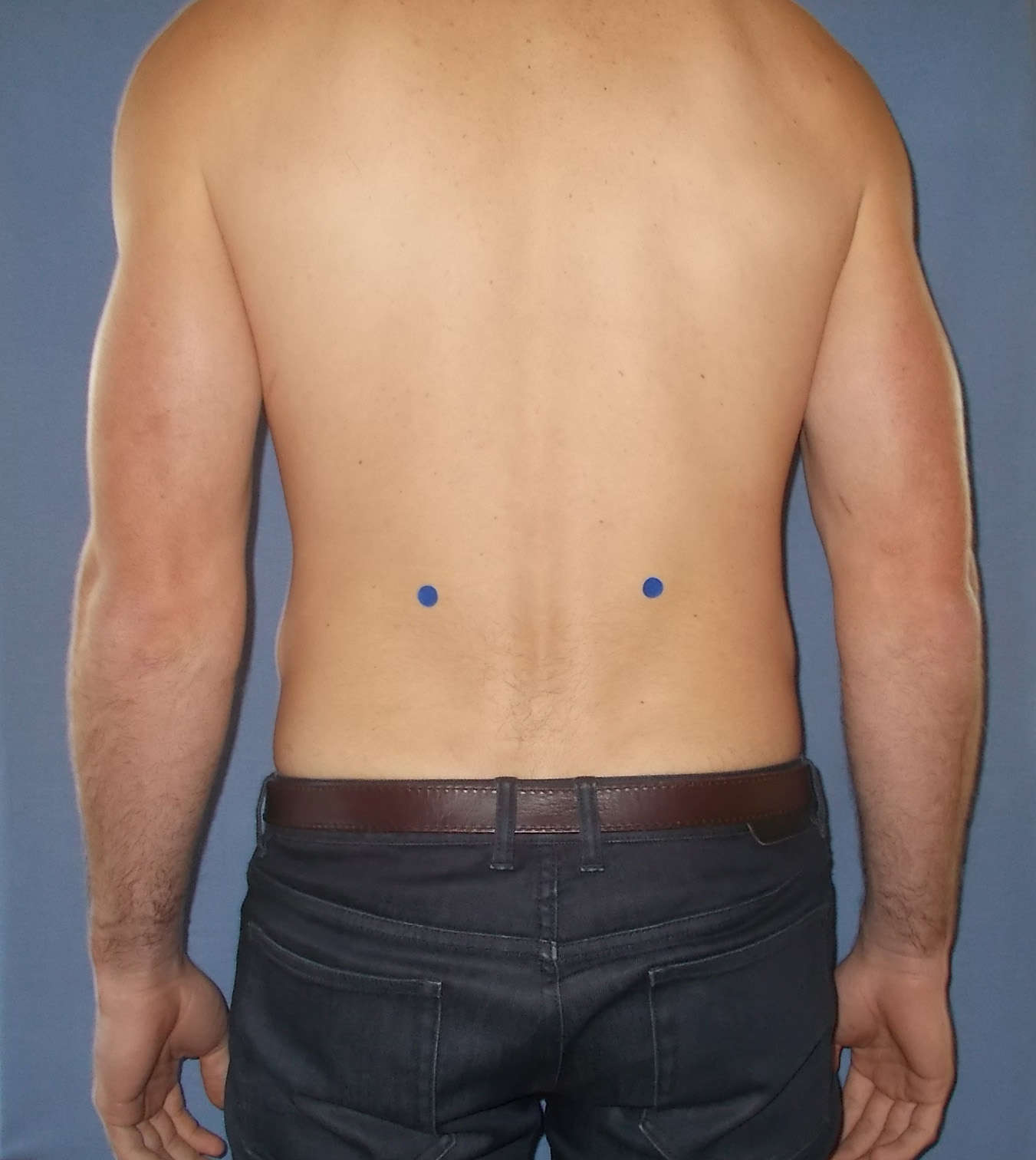
2.20


On the back at the level of the junction of the 2nd and 3rd lumbar vertebrae and 3 cun (four fingers width) lateral to the spine. It is approximately at the same level as the navel.

Holding Up the Heavens

Tianzhu – Heavenly Pillar – Bladder 10

2.15Neck problems are endemic in these days of extensive computer and mobile phone usage, activities which cause us to look down, increasing the force upon the neck. One of the best points for treating the neck lies at the first cervical vertebra, the atlas. In Greek mythology Atlas was the Titan who was punished by Zeus for making war on Olympus. He was condemned to stand at the western edge of the world, holding up the heavens on his shoulders. Hence his name was given to the first cervical vertebra which holds up the head.

This western myth finds a surprising parallel in the point Tianzhu – Heavenly Pillar which lies in the neck on the outer edge of the atlas vertebra and on the lateral border of the trapezius muscle. The cervical spine and the two trapezius muscles can be viewed as the pillars that hold up the head.

Tianzhu is an effective point in treating neck pain, particularly the upper neck. Much upper cervical pain derives from the atlas being misaligned or lacking freedom of movement. This can produce difficulty turning the head, headaches, dizziness or blurred vision, all of which can be treated by this point.

But Heavenly Pillar is far more than a quick fix until you see your chiropractor. The tian in the point name means heaven and alerts us to the fact that this is one of the Windows of Heaven, sometimes known as the Windows of the Sky. These points are used to bring harmony between the upper body (heaven) and lower body (earth) and are also used to treat conditions of the orifices (windows) of the head. This window has a particular effect upon the eyes, treating pain and redness of the eyes and chronic tearing. It is also useful for nasal congestion, difficulty smelling, and swelling of the throat with difficulty speaking.

Five Element practitioners also make use of these Windows of Heaven points in ways that address the deeper psycho-emotional aspects of their clients. The positive qualities or gifts of the Element to which a point relates can be called forth from the point and supported in the client. In this case, Tianzhu evokes the qualities of Water which include will, courage, endurance, trust and reassurance.

When a person feels unable to hold himself up, feels unsupported to move forward in life, or feels that his legs are too weak to support his body, this point is called for. If a person’s movement through life is impeded by chronic fear, if he feels frightened by what lies in the future, or has grown anxious from an overload of work, Tianzhu can bring reassurance that things will be ok. It helps the person to access the true will that arises from zhi, the spirit of Water. This can clear the brain, bring a fresh view and an openness to the future. It allows the person to stand tall, hold his head up high, and look forward with confidence. At its depth, Heavenly Pillar restores trust in the knowledge that true nature is our ultimate support.

2.16Location of Bladder 10


At the top of the neck, on the outer border of the trapezius muscle, 0.5 cun below the occipital hollow and 1.3 cun lateral to the midline. Treat both sides at the same time, applying gentle pressure directed slightly towards the spine.


This is an extract from The Way of the Five Elements by John Kirkwood (Singing Dragon 2016)

Order now from Book Depository UK