As autumn enters its final weeks, we examine one of the most powerful points of Metal, one which reaches into the very spirit of the Element.
Pohu ~ Soul Door ~ Bladder 42
 Po is the spirit of the Metal Element. Its character has two parts. The left part is the character for white, which is the colour of the Metal Element. The right part is the character for ghost or earthbound spirit. Po is therefore the spirit which is tied to the earth and the mundane.
The po is the corporeal soul (sometimes translated as animal soul) which enters the body at conception. In the first months after birth, the baby’s whole life revolves around this corporeal soul as it forms the foundation of a healthy body for the life to come. Of the five spirits, it is the only one that disappears when we die. As soon as the lungs exhale for the last time and the body dies, the po exits through the anus and descends to join the earth from which it originated.
During life, the po is utterly tied to the physical body and to time and space. Like animal instinct, it is concerned with immediate reactions to what is happening in each moment. It is about the here and the now. This instinctual part of us lives on its senses, alert to all sights, sounds, smells, tastes and textures. It is our animal nature.
The po is paired with the hun, the ethereal soul which is the spirit of the Wood Element. While the hun roams the realm between the earth and the heavens, the po provides a counterpoint as the most physical and material part of the human soul. It could be said to be the somatic manifestation of the soul. It provides for clear and sharp sensations and movements and is involved in all physiological processes. Of all these processes it is especially connected to breathing which is its special province. In fact the po resides in the lungs and is particularly affected by sadness and grief which restrict its movement. Constricted breathing, holding of the breath and shallow breathing are all injurious to the Lung and to the po.
While the emotion of grief is the one most closely associated with the po, all emotions are ruled by it. It consists of the seven emotions (fear, anxiety, anger, joy, sorrow, worry and grief) which Jarrett neatly describes as the primal urges that facilitate the grasping of life.
Another function of the po is to anchor the heavenly aspect of our human nature within the density of the body. It may seem something of a paradox that the spirit which relates so much to our instinctual, animal side, is also paramount in connecting us to our spiritual nature. The po is concerned with balancing these aspects of our humanness, supporting us as beings of spirit who inhabit the bodies of animals.
Imbalance in the po produces a marked disparity between the heavenly and earthly aspects of human life. On the one hand there can be an obsessive attachment to material things and the accumulation of possessions, money and fame to the detriment of things spiritual. On the other hand a person may have his head in the clouds and be unable or unwilling to navigate the ordinary world of human existence. There may even be a withdrawal from the world in order to focus on the spiritual search.
Other possible outcomes of po imbalance are ongoing physical pain with no identifiable cause, migrating pain, extreme sensitivity to outside psychic influences and chronic health problems associated with emotions that are stuck.
A point that profoundly contacts and balances the po is the outer shu point of Lung, Pohu – Soul Door, sometimes translated as Door of the Corporeal Soul. It is a point that helps to resolve the spirit/animal paradox. It can access the spirit of Metal at a very deep level and serve to reconnect us with what we value in her life, with the preciousness of life itself and with our authentic being or essence. Moreover it supports us in valuing our essential spiritual nature.
All the longings that we feel are ultimately a desire to be reconnected with spirit, whether or not we are conscious of the underlying nature of our longing. Pohu supports reconnection with spirit, and thus can treat all feelings of longing and desire for spirit.
These attributes of Pohu are particularly helpful in supporting people in their quest to find spiritual meaning in life on Earth. Where depression, long-term sadness, resignation or lack of inspiration derive from loss of contact with spirit, this soul door offers support.
Location of Bladder 42
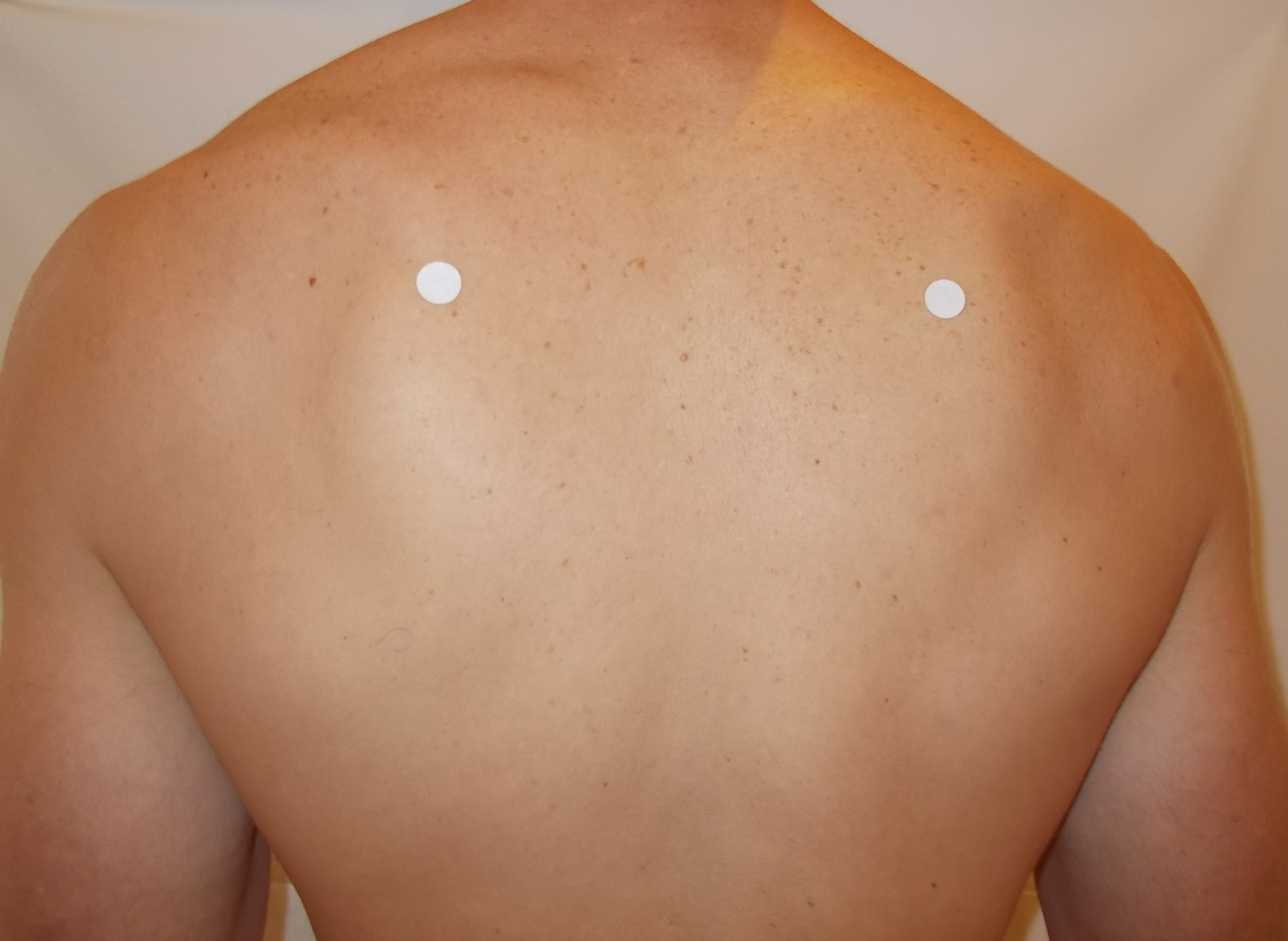
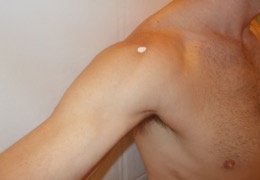
The outer shu point of the Lung, Pohu is located in the upper back, 3 cun lateral to the junction of T3 and T4. The point lies at the medial border of the scapula.
This is an extract from my book The Way of the Five Elements. This and its companion volume The Way of the Five Seasons, are now available for purchase. Singing Dragon Press.