Fuliu – Returning Current – Kidney 7
Today, some hot-off-the-press content, an acupoint not included in my books.
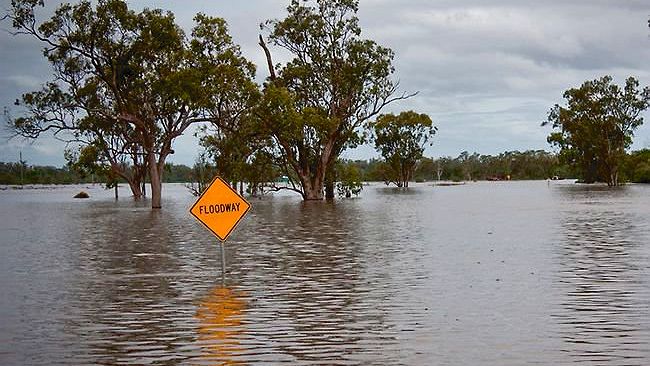 I woke this morning to find that yesterday was Adelaide’s wettest July day in 75 years. Water, water everywhere: puddles in the street, bulging dams, squelching lawns, the earth bloated with wetness. Even the air is filled with moisture, mist hanging in the trees. A perfect day to talk about a Water acupoint that is the master of fluid management.
One of the responsibilities of the Kidney Official is to keep the body fluids in balance. Fuliu Returning Current is a point that supports the Kidney in this task. When fluids are flooding the tissues, pooling in the low places and unable to be expelled from the body, this powerful Kidney point can serve.
Let’s look at some of the conditions that this point addresses.
Oedema is the accumulation of fluid in the body which causes tissues to become swollen. It occurs most commonly in the feet, ankles and lower legs. But it can also affect the brain, the eyes and lungs. Oedema can even occur throughout the body. Fuliu promotes the expelling of excess fluid in all these cases.
Urinary problems such as difficult urination, dark urine and blood in the urine can be treated with this point. Moreover, it controls other kinds of bleeding, from blood in the stool, from haemorrhoids, and uterine bleeding.
What we see is that K 7 brings balance to fluid flow, increasing flow where it is stagnant, and constricting flow where it is in excess. This can be observed in its capacity to bring balance whether there is excessive perspiration or lack of perspiration. It treats night sweats, spontaneous sweating, ceaseless sweating and fever with absence of sweating. Some people have a hard time working up a sweat, even with vigorous activity. This means that toxins normally expelled by perspiration are retained in the body. Returning Current can help rectify this dysfunction.
Not least of Fuliu’s talents is that of tonifying the Kidneys. It is the Metal point on a Water meridian, meaning that it draws Qi from the mother (Lung) to the son (Kidney). This process of tonification strengthens the Kidney Qi, so long as the Lung contains sufficient Qi to pass it on. This can be best ascertained from the pulse. If you don’t have access to this information, then I suggest you hold the source point K 3 at the same time. (Click here for article on K 3.) By using this combination, you will avoid draining the Lung since the source point neutralises an incorrect treatment.
When there is depletion, exhaustion, weakness from overtaxing the body and draining of one’s resources, Fuliu can help restore vitality. But use this point sparingly. Don’t use it as you might reach for a cup of coffee to jolt you into action. Conserve your resources during the remainder of the winter. Rest, recuperate and strengthen your Water within.
Location of Kidney 7

On the inside of the lower leg, in the hollow between the bone of the tibia and the Achilles tendon, and 2 cun (body inches) above the inner ankle and K 3. Use moderate, direct pressure.