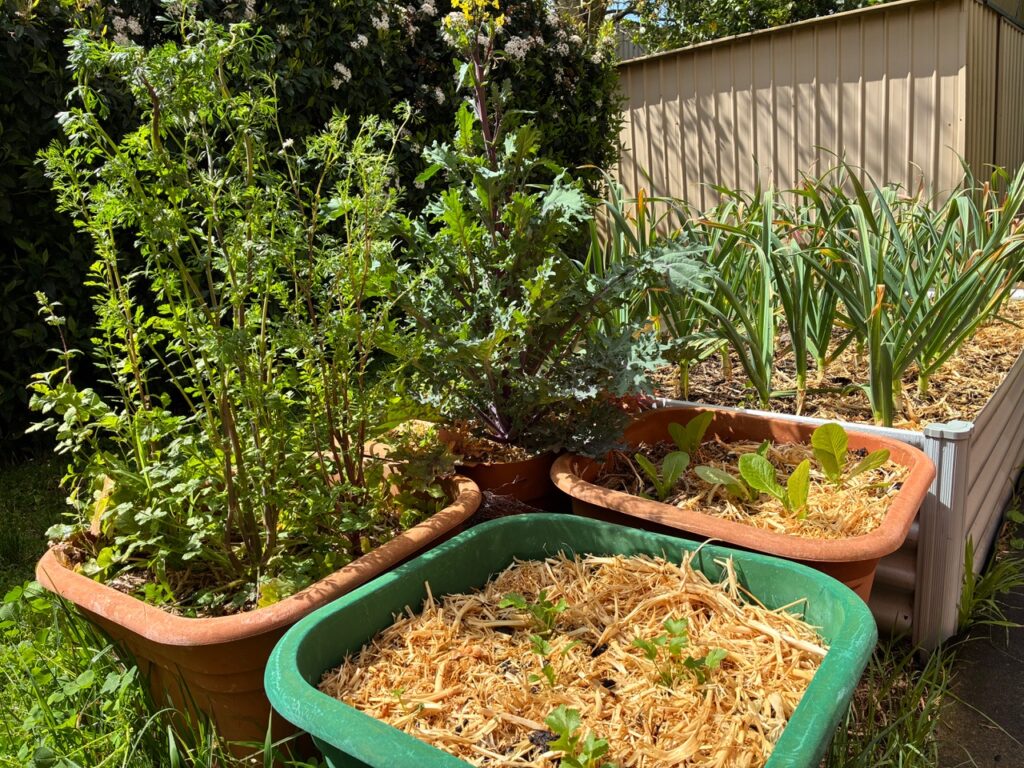
The tide of energy that swells through the year has moved on from winter to spring, from the Water Element to the Wood Element. In fact, since we have passed the spring equinox here in the southern hemisphere, we are now more than halfway through the season. It is high time to continue our series on the foods of the Elements by exploring those foods that can support our Wood and its yin organ, the Liver.
The taste of the Wood Element is sour. It is a taste that puckers the mouth and is called astringent. It shrinks and contracts. This is remeniscent of the tendons, the tissues of Wood, which contract in order to lever the muscles and thereby propel movement.
This astringent taste generates and preserves fluids, nourishes yin, helps to hydrate, and cools any heat in the liver. Lemon water, quenching and refreshing, is a great way to support the liver. Grapefruit acts similarly.
The Neijing chapter 10 teaches: “the liver is benefited by the sour taste. However, this never implies that one may overindulge. Excessive consumption of sour foods can make the skin rough, thick, and wrinkled, and cause the lips to become shrivelled.” Too much sour impacts upon the grandson Element of Earth and its organ of Spleen. It injures the Stomach and creates acid reflux, and damages the teeth and the tendons.
Lemons, grapefruit, kiwifruit and apple cider vinegar are obvious examples of the sour taste, but there are other less obvious sour foods which belong to more than one flavour group. These include tomato, cheese, plums, grapes and strawberries; the aromatics of chive, leek, onion and shallot; cinnamon, turmeric, mint, kombu (seaweed) and honey; and goji berry, hemp seed, black sesame and olive oil.
The colour of the Wood Element is green. Therefore, green foods support the Element and the liver. Green, leafy vegetables are best, the darker the better. My favourites are kale and collards; others include rocket (arugula), spinach, cabbage, beet greens, cos (romaine) lettuce, endive, bok choy and microgreens. Other green foods include peas, broccoli, green beans and avocado. Fortunately, all of these are in abundant supply in the springtime as nature puts on its skates and rockets into action. Farmers markets are brimming with these vegetables at this time of year. Make a salad with a mix of these greens and dress with olive oil and cider vinegar. Your liver will light up.
The organ of the liver has hundreds of functions; one of its most important is to detoxify the blood. Besides the foods listed above, here are some important herbs that help with detoxification: coriander (cilantro), dandelion leaves or its roasted roots, milk thistle, nettle, liquorice and peppermint.
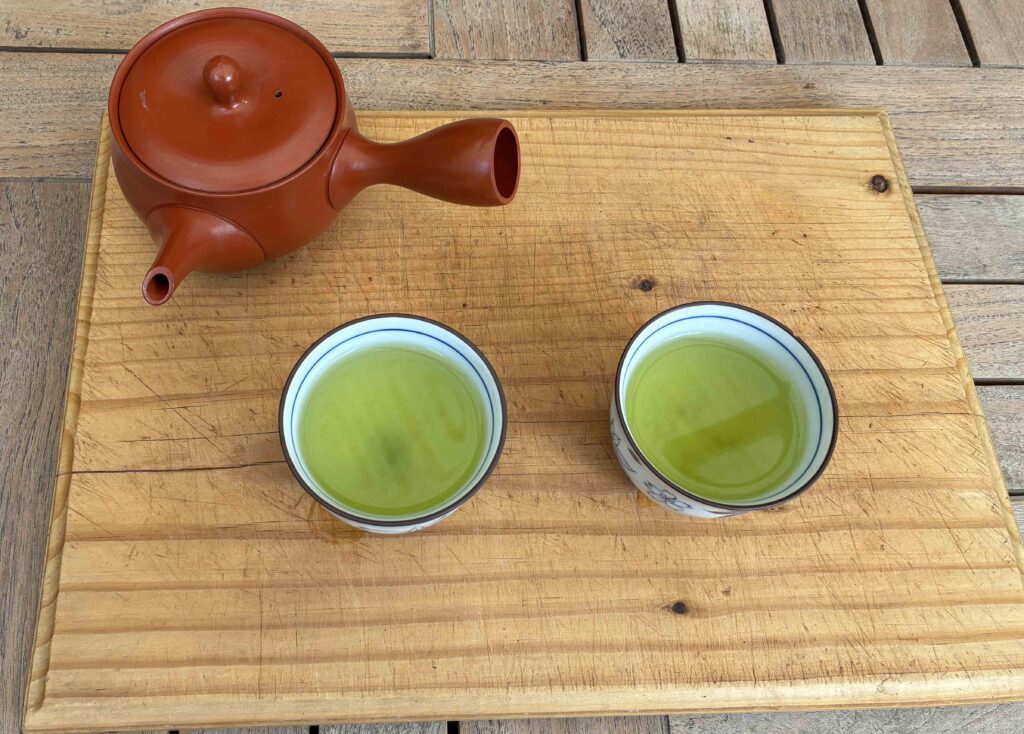
Green tea, besides having the appropriate colour, is known for its positive effect on liver markers, as well as its antioxidant and anti-inflammatory properties. At my place we have a daily ritual of Japanese green tea with two pourings from the kyusu.
Springtime tends to reveal imbalances in the Wood Element, in the organs of liver and gall bladder, the eyes, and in the emotion of anger and frustration. This is because the tide of the year is rising in the Wood Element, putting pressure on the Wood resonances that are not flowing freely. On the other hand, it is a great time to detoxify as the same energies are supportive of positive change. So bulk up on sour, green and cleansing foods while you have the tide in your flavour.
Next week I will share a recipe that incorporates many of these foods.
 Today is the September Equinox. Here in the southern hemisphere it is the Spring Equinox, the middle of our journey through the Wood Element; while in the northern hemisphere it is the Autumn Equinox within the Metal Element. For everyone all over the world, the nights and days are of equal length. The difference is that in the southern part of the globe, our days are getting longer and temperatures warmer, while for those of you in the top bit, your days are growing shorter and colder. But for one brief day, we meet in the middle. It makes me think of children on a see saw where one goes up as the other goes down, but they meet in the middle as the positions change. Today is literally a pivotal day in our passage between the Great Yin and Great Yang of the winter and summer solstices.